




Methodology
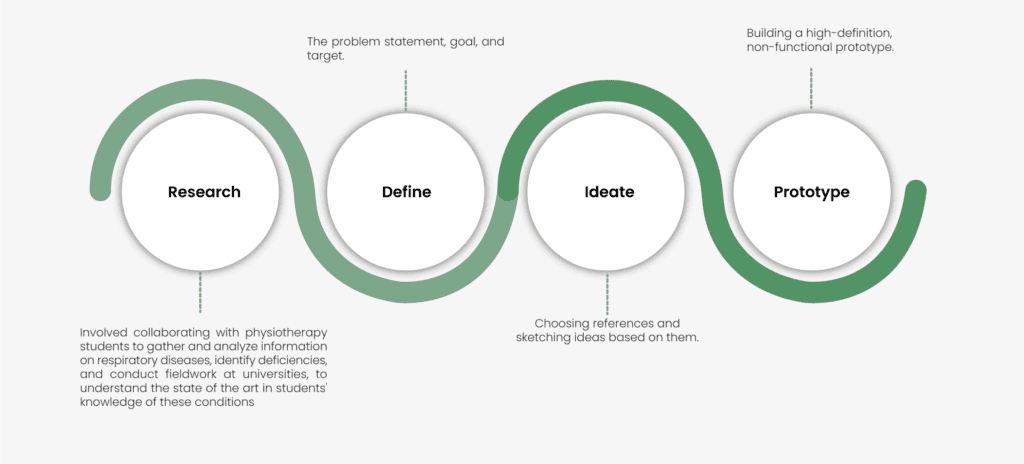
Research
Primary Research
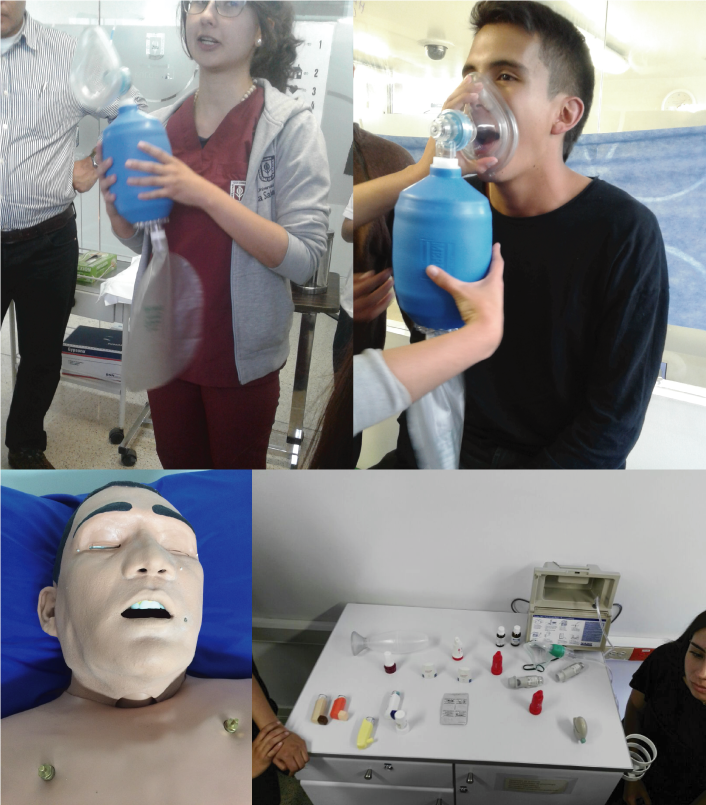
Visited the Universidad de la Sabana laboratory and spoke with physiotherapy students.
Following the surveys, it was concluded that:
When do People Smoke?
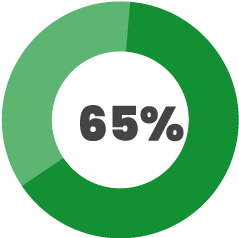
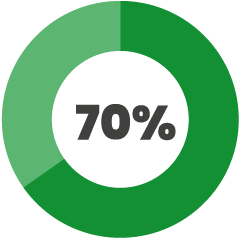
• 40% during class breaks.
• 30% at social events.
• 20% during moments of tension.
• 10% after lunch.
Smokers’ motivations:
• 40% for emotional
management.
• 40% for socializing.
• 10% to pass time.
• 10% for pleasure.
Started smoking before the age of 17.
Students are unaware of respiratory diseases.
Students show indifference
towards the consequences
of secondhand smoke.
Students think experimental approaches are the most effective for engaging young people in campaigns.
Secondary Research
Regarding Respiratory Diseases in Colombia:
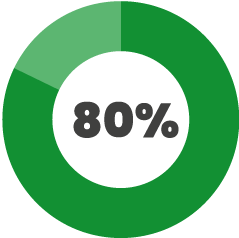
COPD can reduce life expectancy by more than 40%.
7% of the population suffers from asthma.
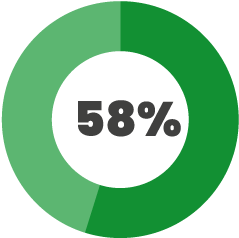
10% to 15% of young Colombians are passively exposed to tobacco smoke.
Less than 20% of public health programs focus on preventing tobacco-related diseases.
COPD accounts for 4.5% of deaths in Colombia, with smoking being a major risk factor.
Respiratory diseases, including COPD, account for 20% of healthcare costs and 15% of hospitalizations.
30% of young Colombians are unaware of the risks of secondhand smoke.
Air pollution in Bogotá exceeds 60 µg/m³ of PM2.5, exacerbating respiratory issues
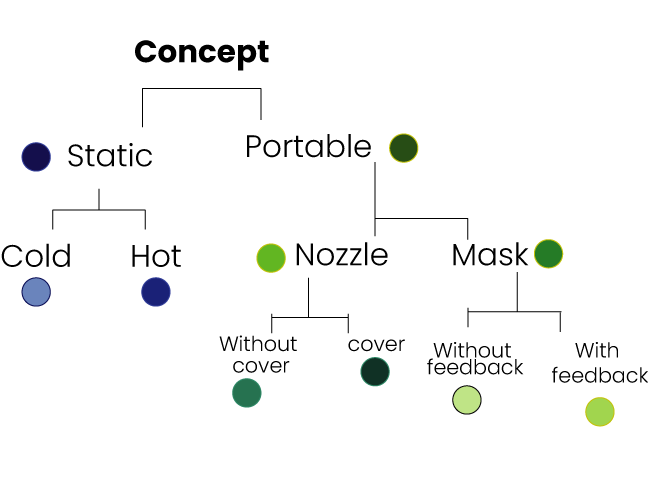
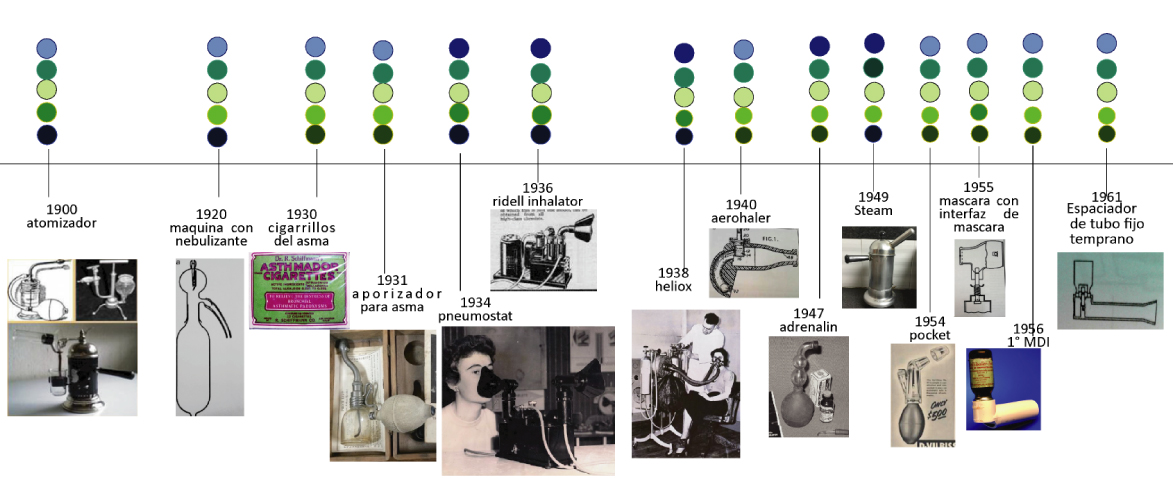
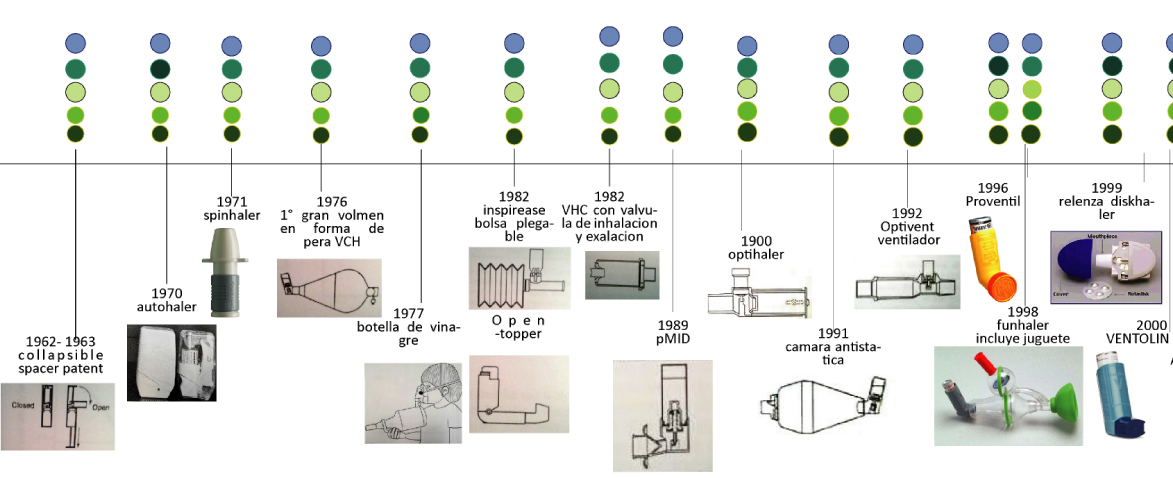
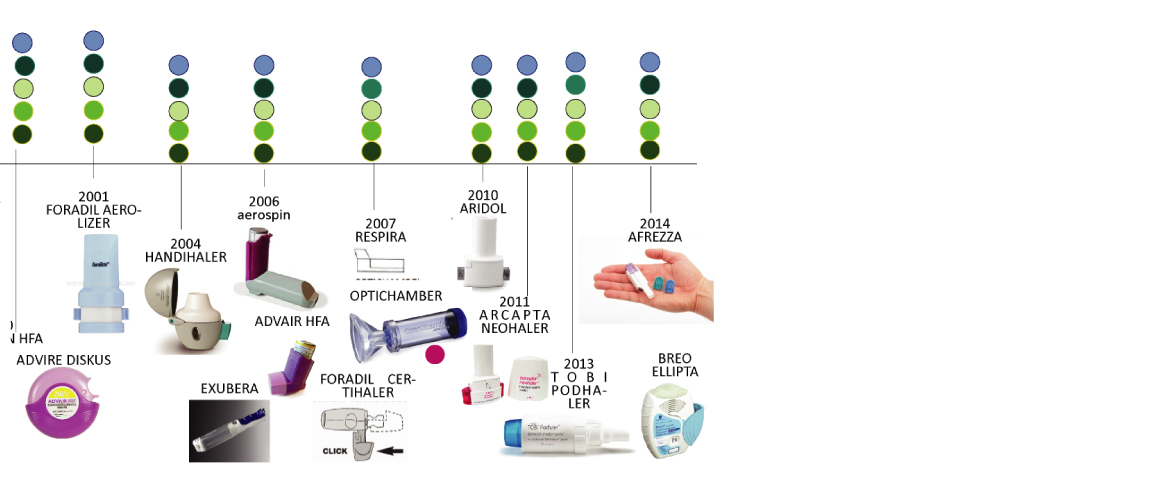
Taxonomic analysis
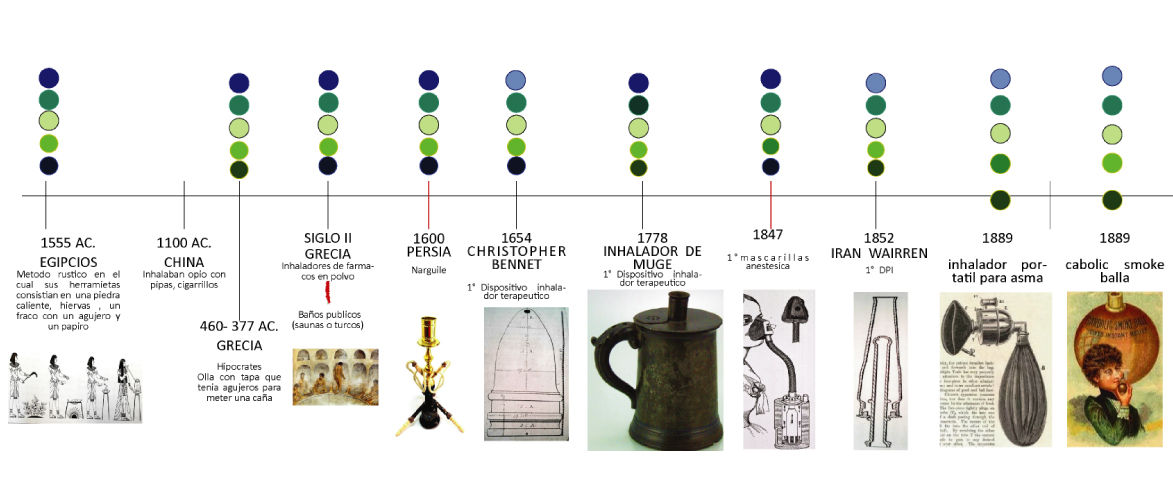
Time line
“References hunting”
Aeroscopic
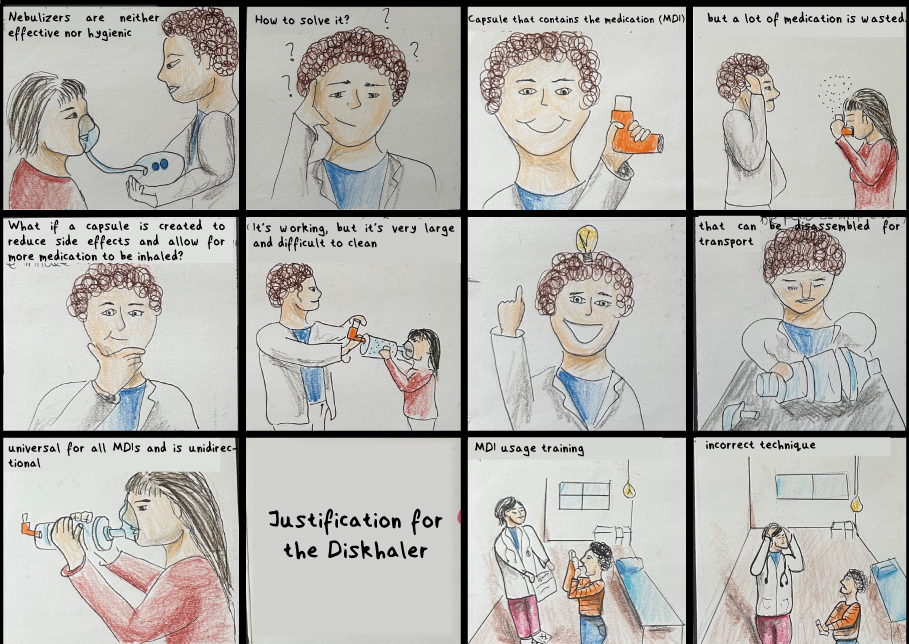
Diskhaler
Define
Initial Situation
Retired ement factory workers who were affected by respiratory diseases in the past due to smoke inhalation, are now able to maintain active lifestyles.
Reasons for changing the situation
The public was too specific, and the sample would have been too small.
Situation
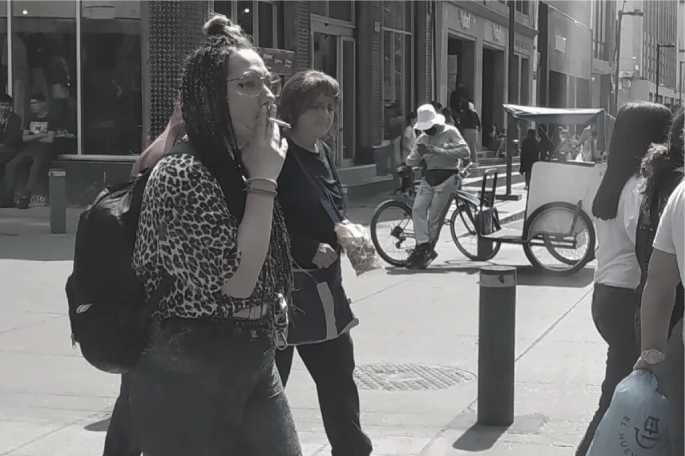
Prevention and diagnosis of COPD targeting young people aged 16 to 25 who lead socially active lives and are frequently exposed to secondhand smoke from active smokers.
Why COPD?
• Prevalence: COPD is the most common respiratory disease in the country.
• Health System Burden: It represents a significant burden on the Colombian public health system due to high treatment costs.
• Progressive Nature: COPD develops slowly, so the effects of secondhand smoke often become apparent only in the later stages of the disease.
• Prevention Focus: While asthma is more prevalent, COPD is more challenging to treat and cannot be reversed, highlighting the importance of prevention.
• Treatment Challenges: COPD has a complicated and costly treatment process compared to other diseases.
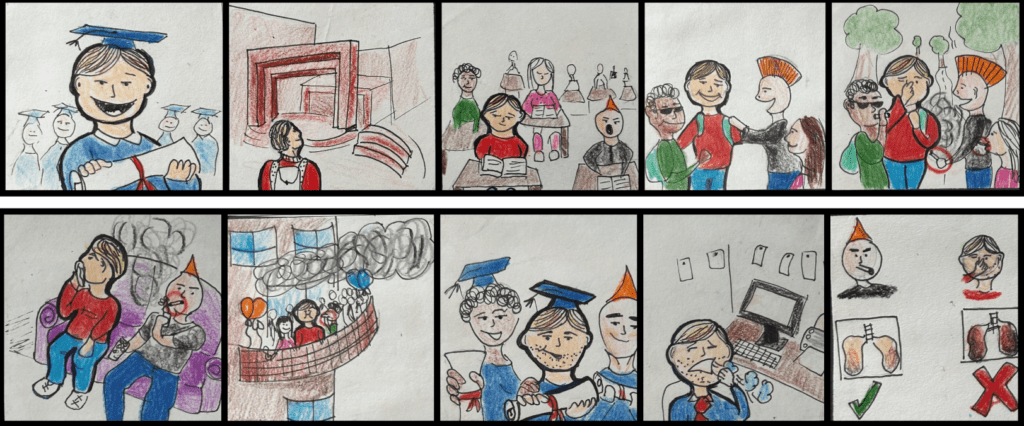
Problem Story board
Lisa Martinez
The smoker
28 years – Student
Lisa has almost finished her degree in Architecture. She is very extroverted and friendly because she has enjoyed her social life at college.
Although Lisa is aware of staying active to keep a good body shape, she has been smoking since she started her degree at 21 to control her stress. Since then, she has affected her health and her friends’ health.
Mario Pombo
The second-hand smoker
21 years- Student
Mario just started his degree at the School of Law. He is very friendly and open-minded, and as part of the soccer team, he is also very health-conscious. Furthermore, since Mario turned 15, he has shown allergic symptoms to cigarette smoke.
Daniela Sanabria
Health official
31 years- Employee
As head of the public health system, Daniela is dedicated to helping people enhance their healthy habits. She daily work to foster health campaigns aimed at preventing and educating new generations.
Ideate
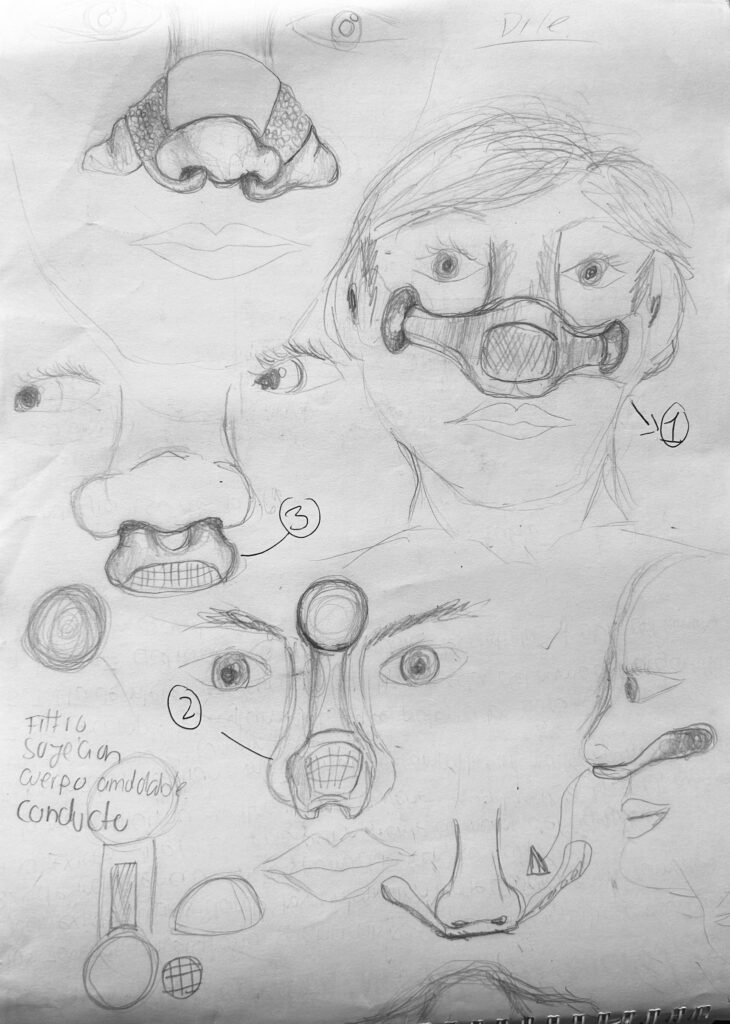
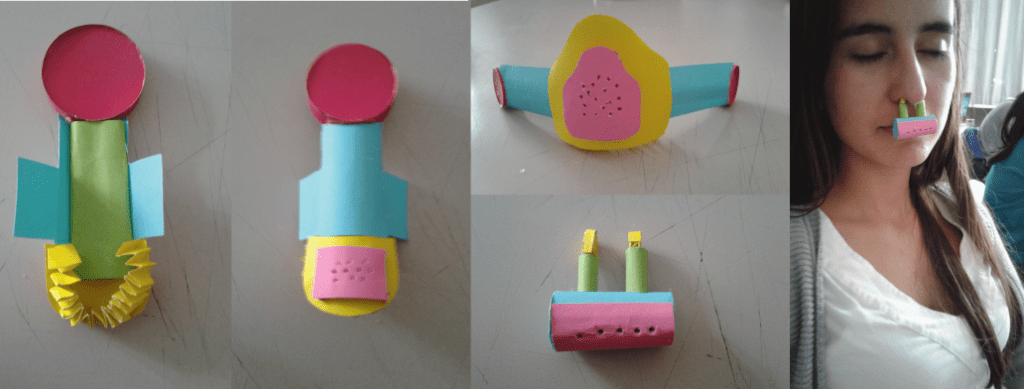
First Idea: Protection
Factors Considered:
• Share Time with Smokers: Allow social interaction without isolation.
• Protection from Smoke: Shield users from exposure to cigarette smoke.
• Mimetism: The design should blend in or be unobtrusive.
• Ease and Portability: Ensure that the solution is convenient and easy to carry
Change of Aim:
Recognizing the long-term impact beyond temporary effects, this shift in focus aims to address cultural and awareness issues. As a result, the emphasis has shifted from protection to diagnosis and awareness, utilizing interactive campaigns to promote understanding and engagement
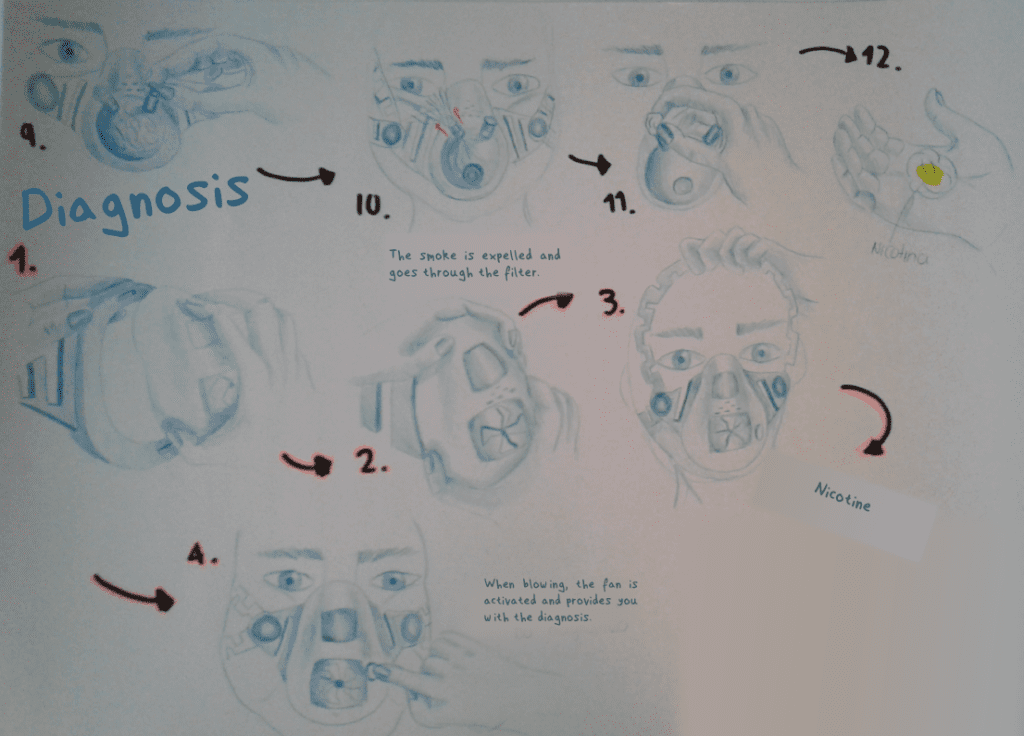
Design an awareness device for a campaign composed of two experiences: 1) a visualization of the impact of cigarettes on the lungs, and 2) a user diagnosis system, similar to a spirometer.
Mask change for diagnosis.
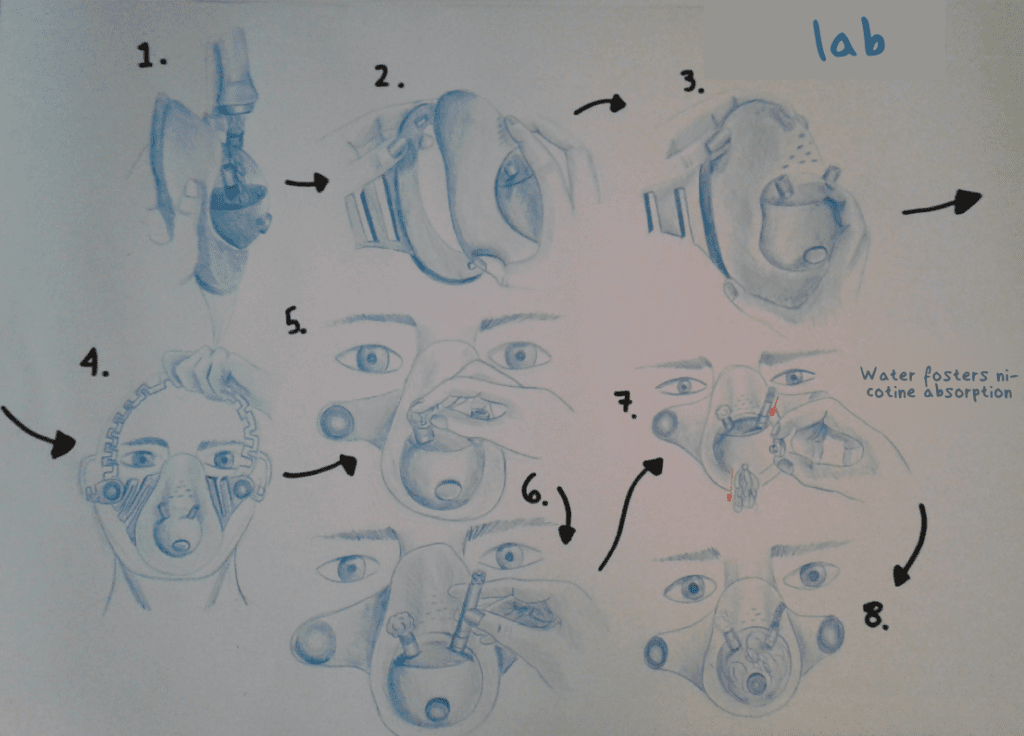
Laboratory for the impact of cigarette smoke as a passive smoker.
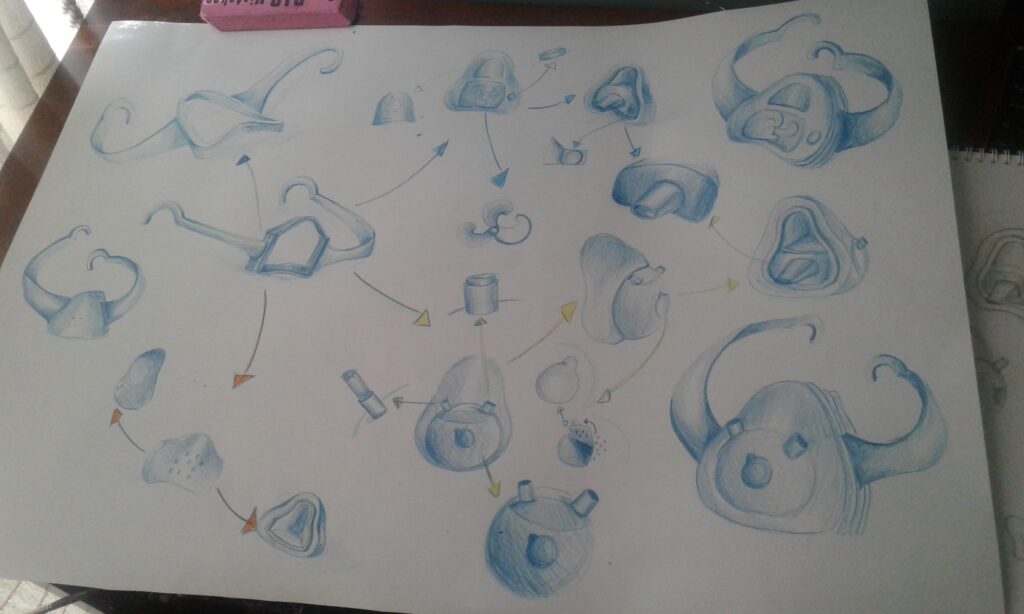
Exploded view
Step-by-step activity sketch
Step-by-step Story board
Lab
Diagnosis
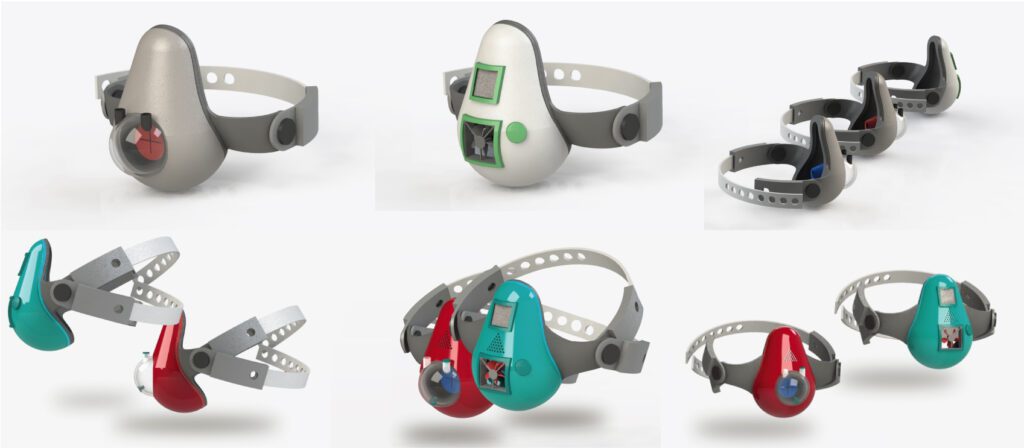
Prototype
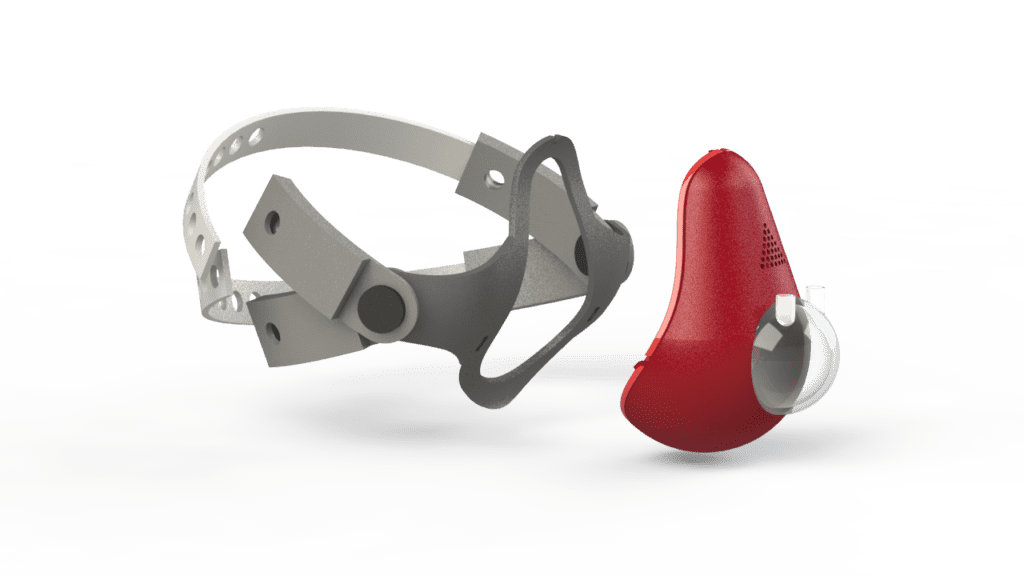
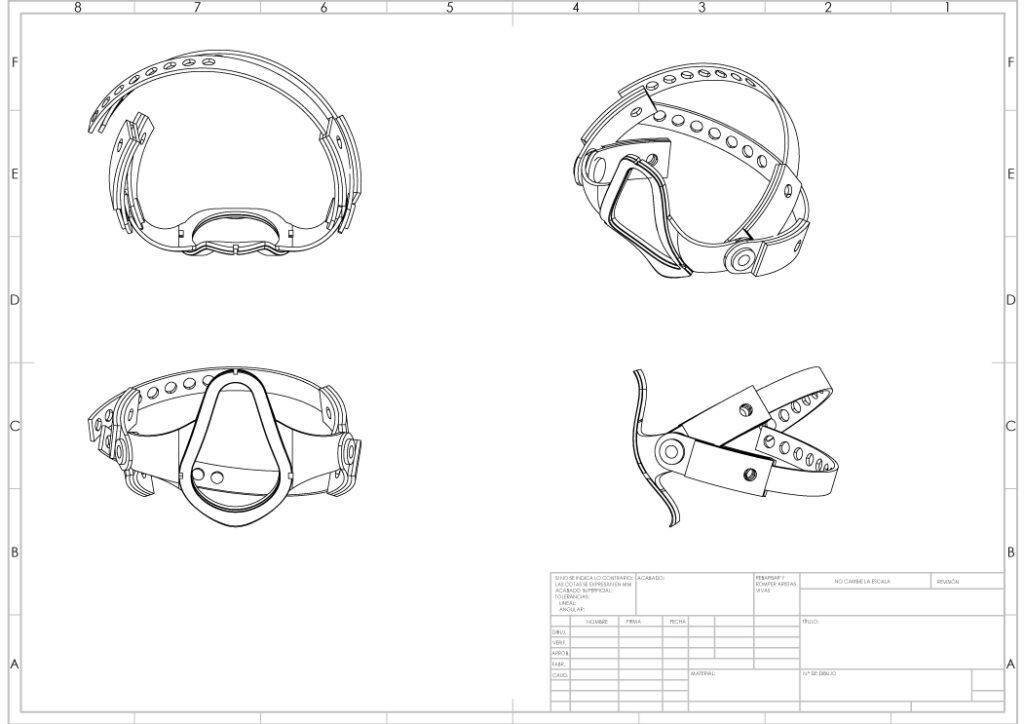
Blue print and 3D modeling
Process of designing and building a prototype.
First aproach
Last aproach